
The Art of Active Clinical Observation: Listening Before Prescribing
How Non-Suggestive Presence and Silence Reveal the Patient's Hierarchy

In modern healthcare, studies demonstrate that physicians interrupt patients within an average of sixteen to twenty-two seconds after they begin speaking. In doing so, clinicians inadvertently force the consultation into an interrogative framework governed entirely by the doctor's premature hypotheses.
True case taking demands an entirely different discipline: active, observant silence. When a patient is permitted to describe their suffering in their own words, without interruption or premature cross-examination, they naturally reveal their internal priority. What they mention first is often what distresses them most deeply; what they hesitate to discuss points toward emotional vulnerabilities or chronic burdens.
Simultaneously, the physician must exercise disciplined sensory observation: 1. Notice posture, physical composure, and hand gestures. 2. Observe facial tone, pupil reactivity, and breathing rhythm. 3. Listen to changes in vocal cadence when sensitive topics arise. 4. Note environmental sensitivities such as asking for a fan to be turned down or pulling a shawl tighter.
These unprompted observations provide objective verification that cannot be simulated. When combined with the patient's subjective narrative, they form the cornerstone of accurate clinical perception.
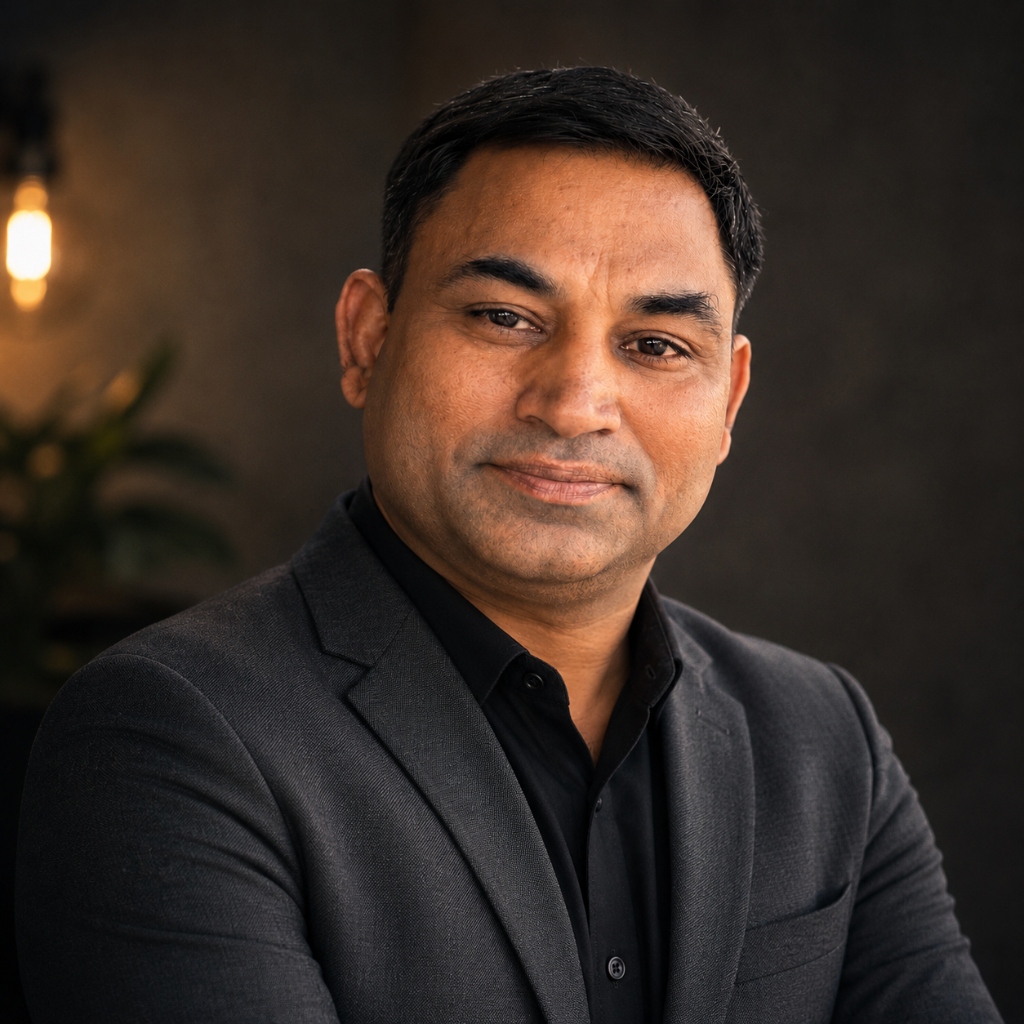
Dr. Rohit
BHMSDr. Rohit is BHMS from Sri Ganganagar Homeopathic Medical College Hospital And Research Institute, practicing and researching in Roorkee, District-Haridwar, Uttarakhand. Author of the treatise ROHIT: Restoration of Health in Totality.