
Why the Diagnostic Label Is Never the Complete Patient
Moving from Disease Classification to the Living Reality of Health

When a patient receives a diagnosis of migraine, rheumatoid arthritis, or hypertension, modern medicine has achieved a valuable classification. The label clarifies prognosis, suggests typical risks, and provides a shared language among healthcare professionals. Yet every thoughtful clinician recognizes an immediate paradox: ten individuals sharing the identical diagnostic label will experience their condition in ten completely different ways.
One patient with migraine seeks a pitch-black, silent room and vomits with every throbbing wave. Another seeks firm pressure upon the temples and demands fresh, cool air circulating through open windows. One feels irritable and anxious; another sinks into tearful despair. The pathological tissue changes may look similar on radiological scans or laboratory assays, but the human experience of illness is never uniform.
This divergence is not accidental noise. It is the living voice of the individual constitution. In the philosophy of ROHIT: Restoration of Health in Totality, understanding health requires us to move past the diagnostic label into the totality of the living person.
When clinical care focuses exclusively on silencing the diagnostic complaint through generic suppression, the underlying constitutional vulnerability remains untouched. By observing how this individual patient differs from the textbook description, we uncover the precise characteristic signs that guide restorative, patient-centered care.
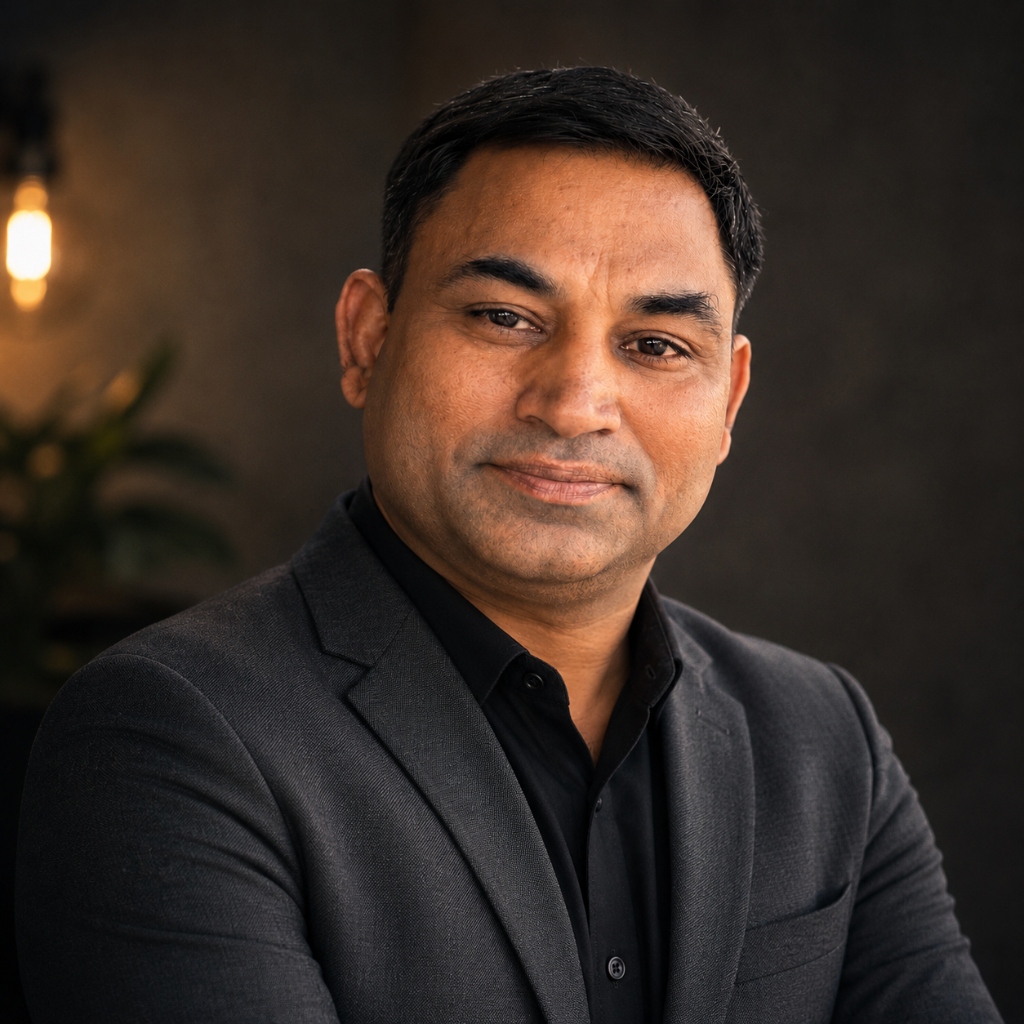
Dr. Rohit
BHMSDr. Rohit is BHMS from Sri Ganganagar Homeopathic Medical College Hospital And Research Institute, practicing and researching in Roorkee, District-Haridwar, Uttarakhand. Author of the treatise ROHIT: Restoration of Health in Totality.